
• Stay Safe on the Road: Winter Driving Tips for the Police Family

    Stay Safe on the Road: Winter Driving Tips for the Police Family

    This article was published on 24 Nov 2025. At the time of publishing, this article was true and accurate, however, over time this may have changed. Some links may no longer work. If you have any concerns about this please contact us.

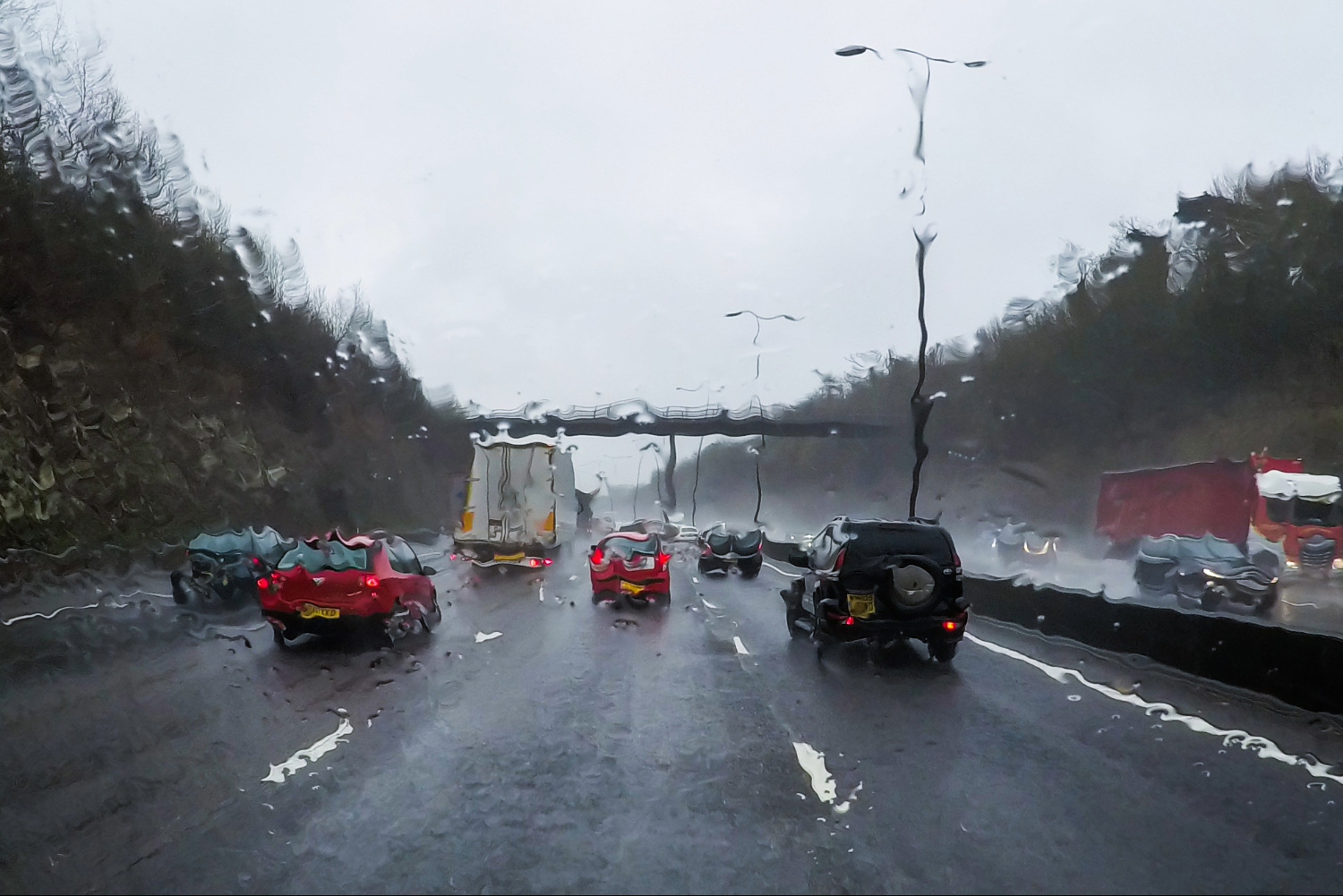
    Winter brings its own set of driving challenges, with darker days, slippery roads, and unpredictable conditions. As someone in the Police community, safe driving may come naturally to you, but it’s still a good opportunity to share these reminders with family members who may not face such conditions every day.

    Winter Car Essentials

    A little preparation goes a long way during the colder months. Before you head out, take a few minutes to check your car and make sure it’s winter-ready.

    1. Check your fluids and battery

    Regularly check your oil levels, battery health, and lights to ensure everything is in good working condition. Batteries can struggle in cold weather, so make sure yours is fully charged and consider a professional battery check if it’s more than a few years old.

    2. Be ready for frost and ice

    Keep de-icer and an ice scraper in your glove compartment – and a spare set in your boot just in case. Remember to never pour boiling water onto your windscreen as it can crack the glass.

    3. Check your tyres

    Good tyre grip is vital for safe winter driving. Use the 20p coin test: insert the coin into your tyre’s tread grooves — if you can see the coin’s outer band, it’s time for new tyres. If in doubt, get your tyres professionally checked.

    4. Check wipers and screen wash

    Replace worn wiper blades and use a winter-grade screen wash with a higher concentration to prevent freezing. You’ll use it more often in winter, so top it up regularly.

    5. Pack a winter emergency kit

    Be prepared for unexpected delays or breakdowns. Your emergency kit should include:

    • A shovel
    • High-visibility vest and warning triangle
    • Torch and spare batteries
    • Blanket and warm clothing
    • Jump leads
    • First aid kit
    • Don’t forget some snacks or chocolate!

    Many garages offer winter car checks, so don’t hesitate to ask for help if you’re unsure.

    Before you set off

    Planning ahead makes a big difference in winter driving safety.

    • Check the weather forecast and road updates before you travel.
    • Allow extra time for your journey to account for poor conditions or delays.
    • Avoid driving tired – fatigue contributes to many winter accidents. Take regular breaks and share the driving where possible.
    • Keep valuables out of sight – especially important during the festive season when gifts and shopping are in your car. Store them safely in the boot.

    Check your breakdown cover

    Breakdowns are more common in winter, so it’s worth double-checking your breakdown cover before the cold weather hits. Make sure you know what level of assistance you have – especially if you regularly travel long distances or in rural areas.

    Car Insurance and Breakdown Cover for the Police Family

    At Police Mutual, we offer both car insurance and breakdown cover exclusively for serving or retired Police Officers, Police Staff, and their families.
    You won’t find us on comparison websites – because we’re here just for the Police community.

    Find out more: Visit our insurance pages or call 0151 242 7640 for further details.

    Car Insurance is provided by ERS.

    Breakdown Cover (Police Mutual Rescue) is provided by ERS.
  • Common Causes of Vehicle Breakdowns and How to Prevent Them

    Common Causes of Vehicle Breakdowns and How to Prevent Them

    This article was published on 17 Nov 2025. At the time of publishing, this article was true and accurate, however, over time this may have changed. Some links may no longer work. If you have any concerns about this please contact us.

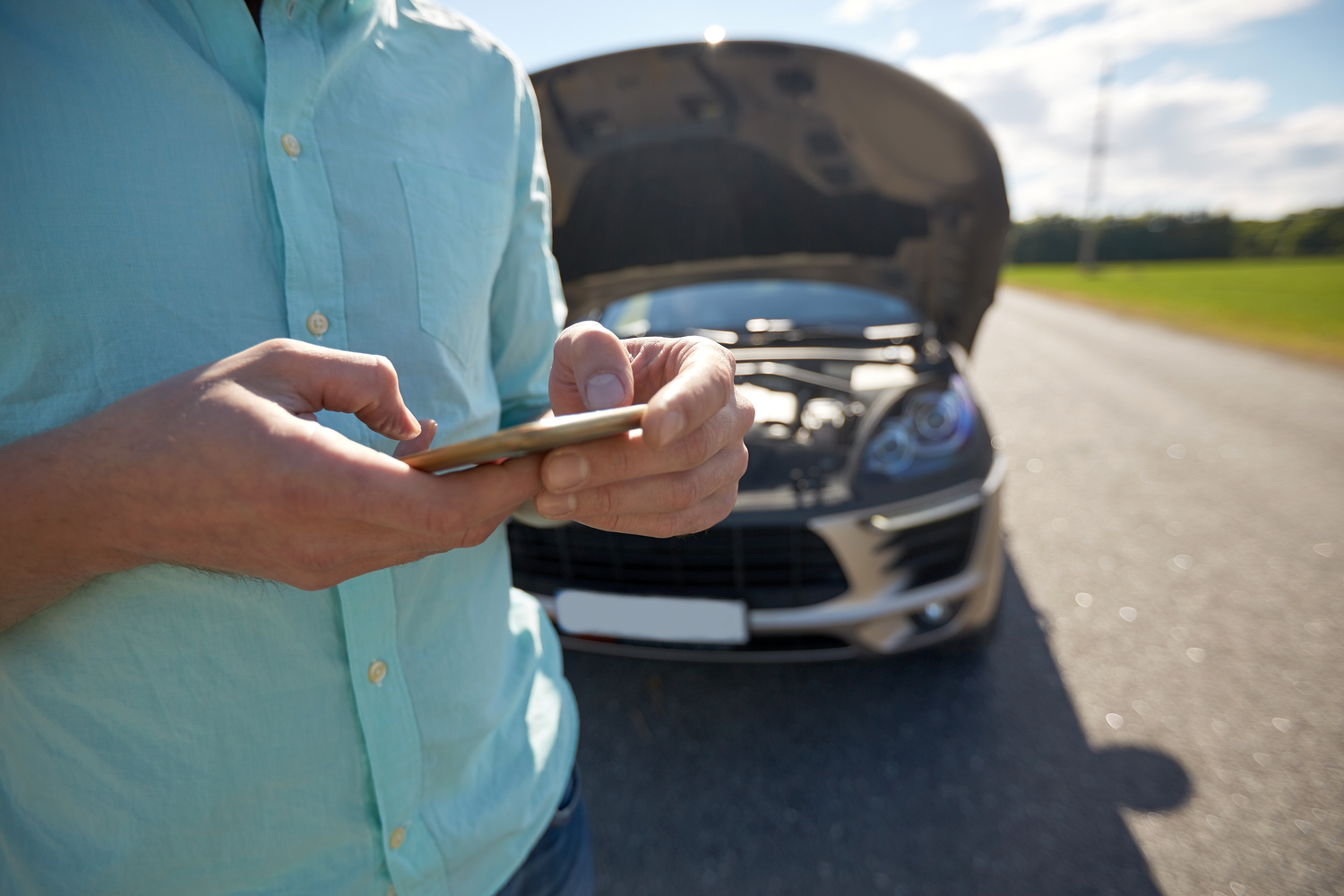
    Vehicle breakdowns can happen at any time – day or night, weekday or weekend. While there’s never a good time for your car to stop working, knowing the most common reasons can help you prepare, prevent issues, and get back on the road faster.

    In this guide, we’ll cover the top causes of car breakdowns and what you can do to reduce the risks.

    1. Battery Problems

    A flat or faulty battery is one of the most common reasons for a breakdown. Causes include:

    • An old or failing battery
    • Short, infrequent journeys that don’t allow for a full recharge

    Prevention tips:

    • Consider charging your battery overnight every few weeks
    • Replace your battery every 3-5 years, depending on usage

    2. Alternator Issues

    The alternator recharges your battery and powers your car’s electrical systems.

    Warning signs:

    • Flickering battery light
    • Dim headlights
    • Potentially, slower than normal windscreen wipers

    Unfortunately, alternators can’t be maintained, but spotting early warning signs helps avoid sudden failure.

    3. Starter Motor Failure

    The starter motor draws power from the battery to start the engine when the car ignition is switched on.

    There’s little you can do to avoid starter motor issues, but regular servicing can help catch problems before they worsen.

    4. Tyre and Wheel Damage

    Punctures, blowouts, or damage can happen anytime—often caused by debris or under-inflated tyres.

    Prevention tips:

    • Check tyre pressure and tread regularly, ideally when you make a stop to refuel
    • Keep a spare wheel or puncture repair kit in your car
    • Ensure tyres meet MOT standards year-round

    5. Misfuelling

    Every year, thousands of drivers put the wrong fuel in their cars. It’s easily done. Petrol mistakenly goes into diesel cars more often, as the petrol nozzle fits easily into a diesel filler neck.

    If you misfuel:

    • Do not start the car
    • Avoid turning the ignition (it primes the fuel pump)
    • Call your breakdown provider or garage for specialist help

    6. Electrical Problems

    Modern cars have increasingly complex electrical systems. Faults can affect everything from your headlights to the infotainment system.

    Tip: Other than replacing bulbs, leave electrical issues to a professional mechanic who can run diagnostics safely.

    7. Low Oil Levels

    Oil lubricates engine parts and prevents overheating. Running low can cause severe engine damage – even complete engine failure.

    Prevention tips:

    • Don’t rely only on the oil warning light
    • Use the dipstick regularly to check oil levels

    8. Lost Keys

    Locked out or lost keys? You’re not alone. Newer cars often use microchipped keys, designed to make them harder to steal, but makes replacements trickier.

    Tip: Keep a spare key at home, and if stranded, call your breakdown provider, car dealer or specialist locksmith.

    Breakdown cover that keeps you moving from £61.60 per year.

    Provided by ERS, Police Mutual Rescue unlike the AA or RAC, doesn’t have a fleet of branded vans, but utilises UK wide recovery specialists to rescue you 24/7 when your car breaks down.

    UK cover comes with:

    • Misfuelling cover
    • Lost keys and lock assistance
    • Home assistance
    • Onward travel provision should your car not be repairable

    Terms & Conditions apply.

    For full policy cover details including any exclusions, please call 0151 242 7640 or visit our breakdown page.

    Police Mutual Rescue (Breakdown Cover) is provided by ERS (Syndicate 218 at Lloyds).

    For your security, all telephone calls are recorded and may be monitored.