
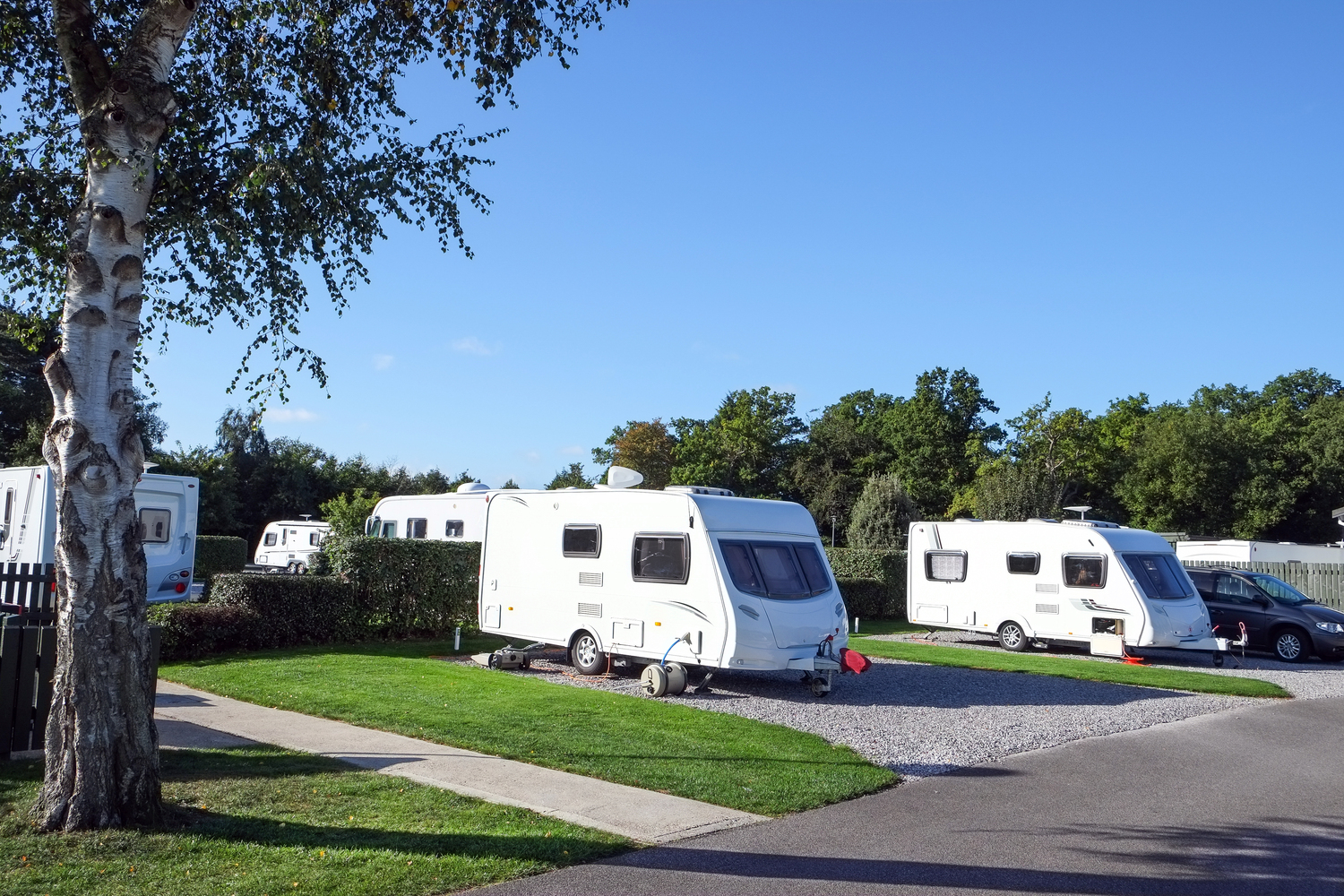
• Park Home Versus Regular Home Insurance

    Park Home Versus Regular Home Insurance

    This article was published on 12 Jan 2026. At the time of publishing, this article was true and accurate, however, over time this may have changed. Some links may no longer work. If you have any concerns about this please contact us

    How park home insurance differs from regular home insurance

    If you’re considering purchasing a park home or already live in one, you might be wondering how insurance for your property differs from traditional home insurance.

    Residential park homes present unique circumstances that require specialised insurance coverage. Understanding these differences is crucial for ensuring you have adequate protection for your property and belongings.

    What makes park homes different?

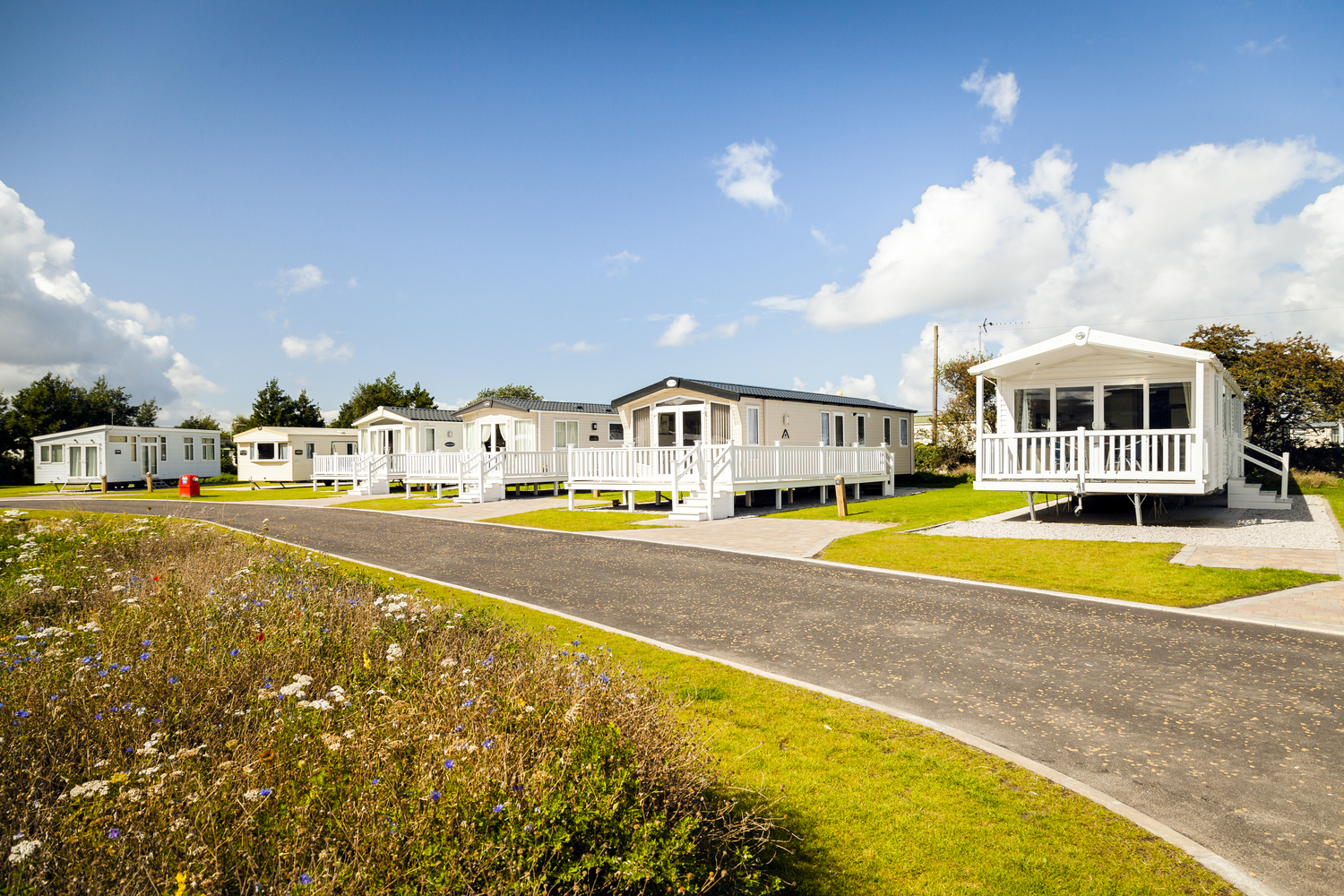
    Park homes are prefabricated structures designed to be permanent or semi-permanent residences on designated sites. Unlike traditional homes, they’re not built on permanent foundations and are constructed in factories before being transported to their final location.

    Most park home residents own their home but rent the pitch through a written agreement with the site owner. This creates unique legal and insurance considerations that don’t apply to conventional property ownership.

    Construction and structural differences

    Park homes are built to British Standard BS 3632, which differs considerably from building regulations for traditional homes. They use lighter materials such as timber frames with external cladding, and rest on concrete pads or steel chassis rather than deep foundations.

    This construction affects vulnerability to weather damage, particularly high winds and flooding. However, park homes are less susceptible to subsidence due to their foundation system.

    Coverage variations

    The distinction between structure and contents can be less clear-cut with park homes. Many items typically considered contents in traditional homes, such as furniture and white goods, are classed as part of the structure in park homes due to them usually being included by the manufacturer.

    Park home insurance often includes cover for items not typically covered by standard policies, such as steps, ramps, and skirtings essential for park home living.

    Site-specific considerations

    Park home insurance must account for communal areas, shared facilities, and specific site rules. Site management typically maintains roads, communal gardens, and shared facilities, affecting liability coverage requirements.

    The location and management quality significantly impact insurance costs. Well-maintained sites with good security and flood defences typically attract lower premiums.

    Legal framework

    The Mobile Homes Act 1983 provides specific protections for park home residents, but these don’t extend to insurance coverage. Unlike traditional homeowners, park home residents don’t own the land beneath their property, which affects building insurance requirements.

    Premium considerations

    Park home insurance premiums are calculated differently, considering factors such as the home’s age, construction materials, site location, and the park’s overall risk profile. Older homes may face higher premiums due to outdated construction methods.

    Finding the right coverage

    When selecting park home insurance, work with insurers who understand the unique requirements of park home living. Specialist providers often offer more comprehensive coverage tailored to specific risks and needs.

    Regular home insurance simply isn’t designed for park home circumstances. By choosing appropriate specialist coverage, you can ensure proper protection whilst enjoying the benefits of park home community living.

    Looking for Residential Park Home Insurance?

    Police Mutual are pleased to introduce Compass Insurance who are a a specialist provider of holiday caravan and residential park home insurance, with over 45 years’ experience, so they can help you find the right cover for you.

    Compass Insurance is part of the Bspoke Insurance Group Ltd, which also includes Police Mutual, so you know you’re in safe hands.

    You can get a quote here: Residential Park Home Insurance – Police Mutual

  • When is the Best Time to Buy a Caravan?

    When is the Best Time to Buy a Caravan?

    This article was published on 27 Oct 2025. At the time of publishing, this article was true and accurate, however, over time this may have changed. Some links may no longer work. If you have any concerns about this please contact us.

    Buying a caravan opens up a world of holiday possibilities, but getting your timing right could save you money and give you better options. Understanding seasonal market patterns helps you make a smarter purchase, whether you’re interested in a static or touring caravan, new or second-hand.

    Touring caravans

    Second-hand models

    Early spring offers excellent opportunities for pre-owned touring caravans, as current owners often sell to upgrade before the new season. However, spring brings high demand and higher prices.

    Consider starting your search in late autumn or winter instead. During these quieter months, demand is lower, plus sellers may negotiate on price. You’ll also have more time to research thoroughly without seasonal pressure.

    Remember that manufacturer warranties typically don’t transfer to new owners, making comprehensive insurance essential.

    Brand new models

    For new touring caravans, autumn offers the best opportunities. From October onwards, dealerships reduce prices on previous season’s stock to make room for newer models, resulting in significant savings.

    Purchasing during cooler months also gives you time to research and compare models without the excitement that warm weather brings, ensuring you’re ready for the new season with a caravan that meets your needs.

    Static caravans

    Autumn is ideal for purchasing both new and used static caravans, as many holiday parks close for the season. Owners typically sell once their holiday season ends, and new static caravans may see price reductions.

    Caravan prices generally rise each spring, so purchasing beforehand can result in substantial savings. Winter purchases often provide better pitch selection, with fewer caravans on site, giving you more choice for your ideal location.

    Site fees

    Holiday parks charge annual site fees, typically reviewed at summer’s end and often increased with inflation. Purchasing before the fee renewal gives you approximately a year at the current lower rate. You can negotiate a free fee period as part of your purchase agreement.

    Making the right choice

    Purchasing a caravan should be carefully considered. Research different models and, for static caravans, various holiday parks to find the perfect fit for your circumstances and budget. Although later months often present the best opportunities, the right caravan can appear at any time.

    Regardless of when you purchase, protecting your investment with comprehensive caravan insurance is essential for complete peace of mind.

    Looking for caravan insurance? Get your quote online now.

    Caravan Insurance is provided by Compass Insurance who are a specialist provider of holiday caravan and residential park home insurance, with over 40 year’s experience, so they can help you find the right cover for you.

    Compass Insurance is part of the Bspoke Insurance Group Ltd, which also includes Police Mutual, so you know you’re in safe hands.
  • Simple Tips for Lowering Your Touring Caravan Insurance Premium

    Simple Tips for Lowering Your Touring Caravan Insurance Premium

    This article was published on 12 August 2025. At the time of publishing, this article was true and accurate, however, over time this may have changed. Some links may no longer work. If you have any concerns about this please contact us.

    Caravan adventures are all about fun and freedom – but insurance is one of those necessary bits of admin that help make them possible. It doesn’t have to break the bank, though.

    Here are six practical ways to reduce your touring caravan insurance premiums, so you can spend more on your next trip and less on paperwork.

    What influences the cost of caravan insurance?

    Insurers look at a number of things when calculating your premium, including:

    • The caravan’s make, model, and age
    • Security measures fitted to your caravan
    • How and where it’s stored when not in use
    • Your claims history
    • The type of cover you choose
      The level of excess you’re willing to pay

    Let’s take a look at how to keep your premium down.

    The better your caravan is protected, the lower the risk for insurers. Devices like wheel clamps, hitchlocks, alarms, and trackers all help reduce the chance of theft – and the cost of cover.

    Willing to take on more of the risk yourself? Opting for a higher voluntary excess can lower your overall premium. Just be sure it’s an amount you could comfortably pay if you needed to claim.

    Insurers prefer caravans kept in secure compounds, locked garages, or storage facilities. If storing at home, visible security measures such as CCTV or alarmed gates can help lower your risk profile.

    When selecting your cover, ensure you’re not overestimating the caravan’s value. You’ll only receive the actual market value or agreed replacement value in the event of a claim – anything more will just drive up the cost of your premium.

    Lighter and cheaper caravans are generally more affordable to insure. If you’re considering upgrading or downsizing, this is worth bearing in mind.

    Just like with car insurance, the longer you go without claiming, the better your discount. If the cost of repairing minor damage is lower than your excess, it may be worth handling it yourself to preserve your no-claims record.

    Insurance you can rely on from Compass

    Insurance is there to support you when you need it most. These tips can help reduce your costs, but they shouldn’t come at the expense of proper cover. Always make sure your policy fits your needs – and your travel plans.

    Protect your caravan today – get your quote online now.

    Caravan Insurance is provided by Compass Insurance who are a specialist provider of holiday caravan and residential park home insurance, with over 40 year’s experience, so they can help you find the right cover for you.

    Compass Insurance is part of the Bspoke Insurance Group Ltd, which also includes Police Mutual, so you know you’re in safe hands.