
• Latest: International Men’s Day 2021

    Latest: International Men’s Day 2021

    This article was published on 01 Nov 2021. At the time of publishing, this article was true and accurate, however, over time this may have changed. Some links may no longer work. If you have any concerns about this please contact us

    This year, International Men’s Day themes for the Day are: Making a positive difference to the wellbeing and lives of men and boys and promoting a positive conversation about men, manhood and masculinity.  Wellbeing and health are topics that are often over-looked by men.

    It is vital that men start to feel more comfortable talking about their health and wellbeing.


    Physical Health

    The main physical health issues that men face are:

    Heart attacks strike men at younger ages than women. On average, a first heart attack strikes men at age 65. For women, the average age of a first heart attack is 72. It’s not entirely clear why middle-aged men have more heart attacks than women in the same age group. But historically higher rates of unhealthy habits, including smoking and stress, may be partly to blame.

    Men are 14% more likely to get cancer than women and 37% more likely to die from it. This is probably due to a higher risk of exposure to carcinogens, lack of awareness of risks and not going to see a doctor when symptoms develop.

    Testicular cancer tends to mostly affect men between 15 and 49 years of age. Typical symptoms are a painless swelling or lump in 1 of the testicles, or any change in shape or texture of the testicles. It’s important to be aware of what feels normal for you. Get to know your body and see a GP if you notice any changes.

    Prostate cancer is the most common cancer in men in the UK. It usually develops slowly, so there may be no signs for many years. Symptoms of prostate cancer do not usually appear until the prostate is large enough to affect the tube that carries urine from the bladder out of the penis (urethra).

    When this happens, you may notice things like:

    • an increased need to urinate
    • straining while you urinate
    • a feeling that your bladder has not fully emptied

    These symptoms should not be ignored, but they do not mean you have prostate cancer.  It’s more likely they’re caused by something else, such as prostate enlargement.  See a GP if you experience these symptoms.

    Diabetes is a lifelong condition that causes a person’s blood sugar level to become too high. There are 2 main types of diabetes:

    • type 1 diabetes – where the body’s immune system attacks and destroys the cells that produce insulin
    • type 2 diabetes – where the body does not produce enough insulin, or the body’s cells do not react to insulin

    Type 2 diabetes is far more common than type 1. In the UK, around 90% of all adults with diabetes have type 2. Men are more likely to develop type 2 diabetes than women.

    For more details on men’s health click here

    Tips for staying healthy:

    • Drink less than 14 units of alcohol a week (equivalent of 6 pints of average strength beer).
    • If you smoke, STOP! On average a cigarette smoker will die 10 years younger than a non-smoker.
    • Eat at least 5 portions of fruit and veg a day.
    • Walk 10,000 steps a day.
    • If it comes in brown choose this over white (rice, pasta, bread).
    • Drink at least 2 litres of water a day.
    • Aim to do at least 150 minutes of moderate exercise a week.
    • Regularly have your cholesterol and blood pressure checked.
    • Aim to get 7-9 hours of sleep each night (or day if you are working nights).

    Mental Health

    Life has been tough for us all during the pandemic. Our daily lives have changed considerably with the months of lockdown and loss have had a huge impact on our mental health.  It’s great that we are starting to get back to normal, however, these changes may lead to you feeling anxious.

    If you are concerned about returning to the office after working from home click here to read our guide.

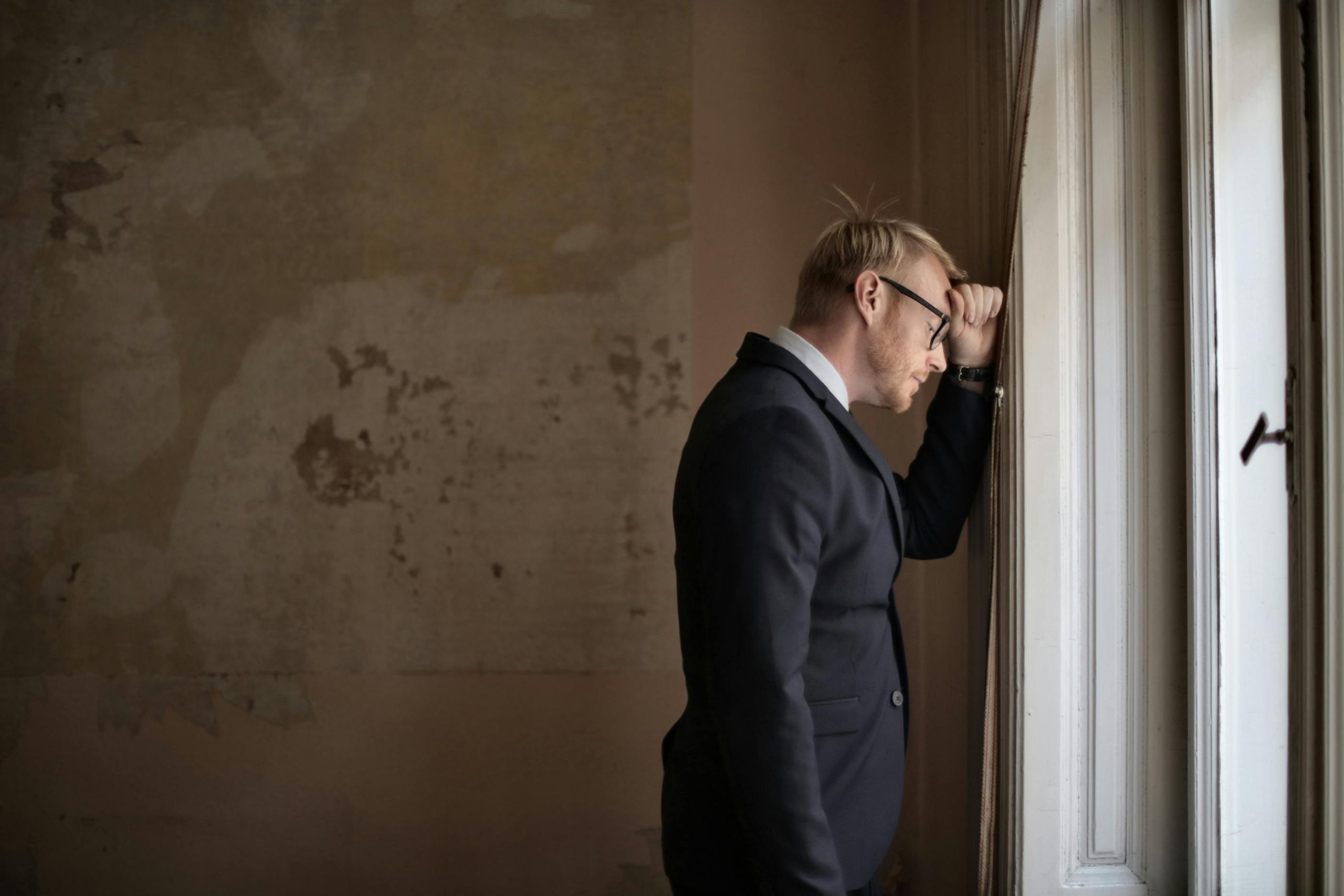
    If you’re not feeling great, you’re not alone. One in four people will experience some kind of mental health problem in the course of a year.  For many of us talking about mental health is difficult and often men find this even more difficult. It’s hard to put how you’re feeling into words. Remember you can be strong without being silent.

    As a police officer your role is to serve and protect, this means that you are less likely to ask for help, as you think it’s seen as a sign of weakness. We all need to stop thinking that talking about emotional or mental health is a sign of weakness. Police officers are dying because they aren’t asking for or getting help.

    Research has shown that emergency services workers are twice as likely as the public to identify problems at work as the main cause of their mental health problems, but they are also significantly less likely to seek help.

    Between 2015 and 2017 more than 20 police officers took their own life each year. That’s almost two a month*

    With a quarter of emergency service workers admitting to thinking about taking their own lives, the ‘Man up’ campaign through the Police Federation encourages officers to take each other’s mental wellbeing as seriously as they take each other’s physical safety, and questions whether we are too dismissive of a colleague who may be showing signs of mental health issues – something that has potentially fatal consequences. When you hear ‘Man Up’, think ‘Man Down’ offer help. For more details of this campaign click here.

    If you’re struggling with your mental health, help is available –

    Stress and anxiety are normal, especially in these uncertain times. It’s what we do about it that matters. There are various steps you can take to cope with being under pressure, remember, different things work for different people.

    Identify your triggers and take control – working out what triggers your stress can help you anticipate when you may feel stressed and what you could do about it in advance.

    Organise your time – making some adjustments to the way you organise your time can help you feel more in control and able to handle the pressure you are feeling.

    Be active – exercise can help clear your head and then let you deal with your problems more calmly. Go outside to exercise, as fresh air and spending time in nature can really help.

    Talk to other people – friends, family and colleagues can help support you through the stress you are feeling, you may even have a laugh and start to relax. You may also want to consider talking to a professional counsellor.

    Do something you enjoy – spending time doing something you enjoy will take your mind off how you are feeling. Everyone needs to take time for themselves, it can be as simple as having a bath or reading a book.

    Avoid unhealthy ways to cope – many people use alcohol, smoking, chocolate and gambling to try and relieve the stress they are feeling, none of these things will help in the long term, use healthy coping strategies like going for a run, listening to music or walking the dog.

    Challenge yourself – learning new skills and setting yourself new goals will help build your confidence and make you feel good about yourself.

    Help others – people who volunteer in the community or for a worthwhile cause tend to be more resilient.

    Try to be positive – think of all the things you are grateful for, write down or say out loud 3 things that went well each day.

    Address some of the causes – where possible improve some of the issues that are putting pressure on you.

    Accept the things you can’t change – it’s not easy, but accepting that there are some things happening to you that you can’t do anything about will help you focus your time and energy elsewhere.

    For more details on looking after your mental health, read our guide here.

    To read our stress awareness guide click here


    Financial wellbeing

    Worrying about money can be extremely stressful and may lead to mental and physical health conditions.

    If you’re struggling with debt or finding it hard to manage your finances then we’re here to help.  Read our debt awareness guide here

    If you are struggling with gambling, call the National Gambling Helpline (24 hours) 0808 80 20 133 or read our guide here.

    Getting help with debt

    We’ve teamed up with PayPlan**, one of the UK’s leading free debt advice providers, who offer free and confidential advice to anyone in serious financial difficulties.

    They’re able to advise you on a range of debt solutions suited to your individual circumstances, helping to protect you and your family with a sustainable way to manage your debt.

    Get free and confidential help to combat your debt, call PayPlan** on 0800 197 8433.

    *According to the Police Federation of England and Wales

    **PayPlan is a trading name of Totemic Limited. Totemic Limited is a limited company registered in England, Company Number: 2789854. Registered Office: Kempton House, Dysart Road, PO Box 9562.

    Want to learn more? Access our wellbeing hub here.

  • National Volunteers’ Week 2021

    National Volunteers’ Week 2021

    This article was published on Thu 27 May 2021. At the time of publishing, this article was true and accurate, however, over time this may have changed. Some links may no longer work. If you have any concerns about this please contact us

    Volunteers’ Week takes place 1-7 June every year. It’s a chance to recognise the fantastic contribution volunteers make to our communities and to say thank you.

    During an exceptionally difficult year, volunteers have played a key role in the pandemic response, people from all walks of life around the UK have taken the time to volunteer and make a huge difference in their communities.

    This week is a time for us to thank all volunteers for their invaluable contribution and also consider volunteering ourselves.

    Volunteering doesn’t just help others and the community but is has also shown to improve volunteers’ wellbeing too.

    It’s human nature to feel good after helping someone out. But volunteering can also help you gain valuable new skills and experiences, boost your confidence and be your chance to make a difference.

    People choose to volunteer for a variety of reasons. For some it offers the chance to give something back to the community or make a difference to the people around them. For others it provides an opportunity to develop new skills or build on existing experience and knowledge. Regardless of the motivation, by volunteering they are making a difference to the community.

    Volunteering is a hugely valuable and rewarding experience for the volunteers and the communities they support.

    There are many reasons to volunteer, including:

    Community – volunteering helps us giveback to those around us, particularly in the community we live or work in. When you volunteer you strengthen your community, improve the environment you live in, give something back to an organisation, make a difference to the lives of others and help others less fortunate or without a voice

    Volunteering enables people to play an active role in society and contribute to positive social change. Volunteers support vulnerable people in society and enable them to live a healthy and rewarding life. This could mean support with things we take for granted, such as practical help at home for disabled or older people, mentoring a care leaver and helping them to find their feet as an adult, or supporting a young mother struggling to provide for her children.

    Your mental health and self-esteem – volunteering also makes you feel good. In fact, a study has shown that not only is volunteering associated with increased happiness and lower depression, but it also reduces the risk of premature death.

    This is especially true if you enjoy volunteering and feel valued and part of a team. You will spend quality time away from work or your busy lifestyle and be in the moment. It may help you gain confidence and improve your self-esteem. Volunteering can also help to improve your mental health.

    Evidence suggest there are 5 steps you can take to improve your mental health and wellbeing. One of which is to give to others, research suggests that acts of giving and kindness and being part of community life can improve your mental wellbeing. For more details on the 5 steps to wellbeing click here.

    Action for Happiness list ten key ingredients for a happy and fulfilling life: giving, relating, exercising, awareness, trying out, direction, resilience, emotions, acceptance and meaning. Volunteering ticks most if not all of these boxes. For more details click here.

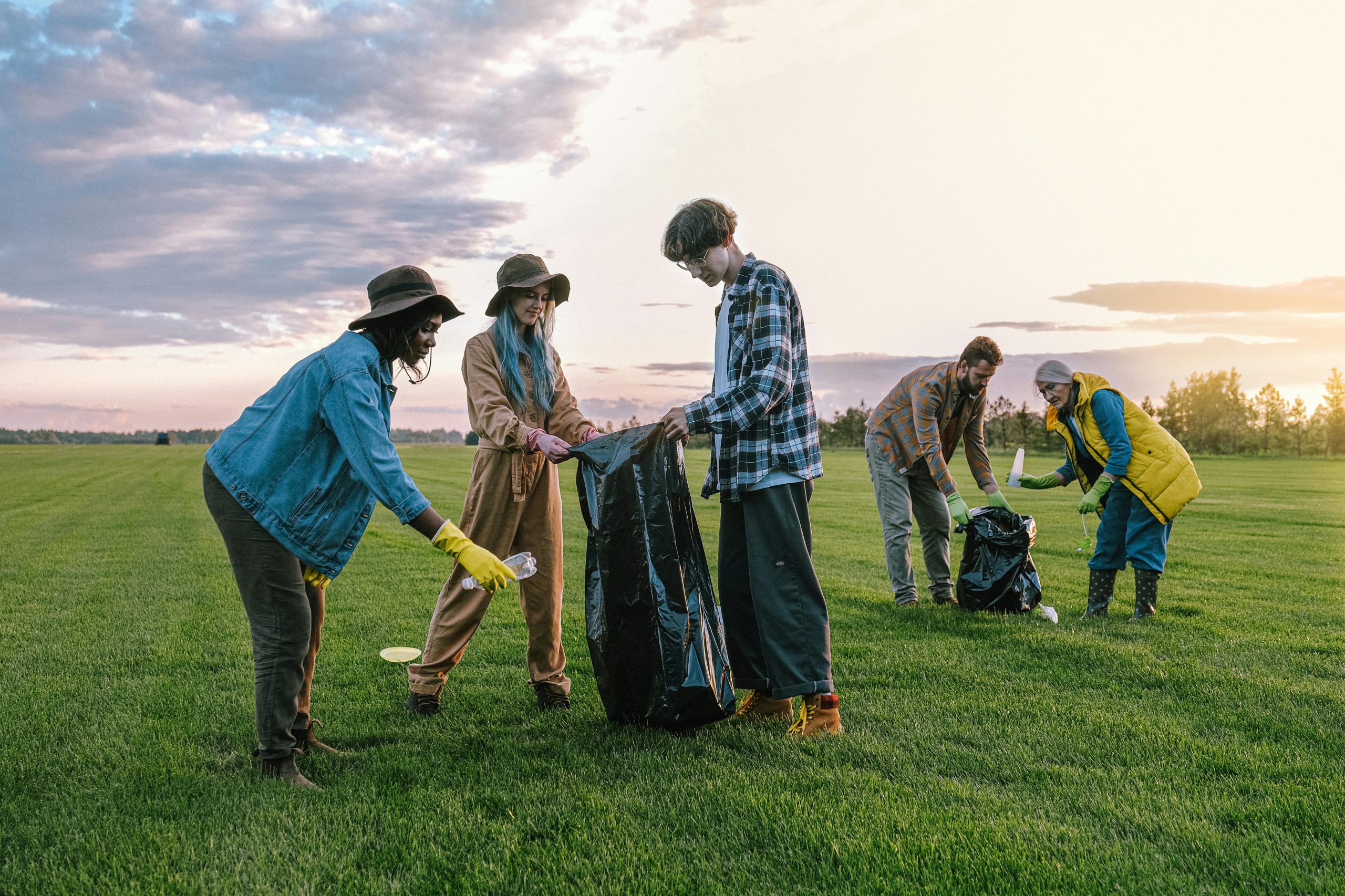
    Your Physical health – there are lots of different ways you can volunteer, but many of them involve physical tasks, like litter picking, dog walking for a local shelter, wildlife conservation and sports coaching, all of which will help keep you fit whilst you are also enjoying nature and the outdoors.

    There is lots of anecdotal evidence that volunteering has a positive impact on both your physical and mental health.

    Social – volunteering is a way to get a better understanding of people, cultures, places and organisations which can also lead to more social connections. Researchers believe that volunteering can extend a person’s life because humans thrive on social connections. Eye contact and smiling for example release the hormone oxytocin, which helps us handle stress better. Social interaction improves mental and physical health. When you volunteer you strengthen your social network, you make connections with the people you are helping, and you cultivate friendships with other volunteers. Volunteering creates stronger bonds between friends, family, and co-workers. People build closer relationships, better connections, and more powerful attachments to people when they work together.

    Personal Development – Volunteering is an opportunity to learn new skills, and can boost employment prospects. For some people, volunteering can be a route to employment, or a chance to try something new which may lead to a career change. Volunteering can also be a way of enhancing a CV, improving employment prospectsgaining an accreditation or using your existing professional skills and knowledge to benefit others.

    By volunteering in a specific profession you can gain valuable experience for a future career, for example, becoming a police special before joining the force.

    Values – volunteering can satisfy personal values or humanitarian concerns. For some people this can have a religious component. For instance, helping those less fortunate is a large part of Christianity and the concept of karma in Hinduism means those good deeds come back to you.

    People who volunteer, report a greater sense of purpose and meaning in their lives.

    Volunteering within the police service

    There are many volunteering roles within and connected to the police service, including the special constabulary, police chaplains, police service volunteers and our own FAO and AO’s.

    Police volunteering roles provide an opportunity to do something worthwhile in your spare time, making a real difference to your local police force and to your community.

    It allows you to become involved with policing and to be part of the policing family and to make a positive contribution to your area.

    For more details click on the links given below.

    Police Mutual FAOs and AO volunteers

    At Police Mutual we have volunteer Force Authorised Officers and Authorised Officers who represent Police Mutual customers within their own forces.

    Our volunteers are a vital part of the team and assist us hugely in promoting the financial wellbeing support we offer. Their assistance and advocacy are greatly appreciated.

    We would like to thank all of our FAO and AO’s you their continued support.

    Do you want to give something back and make a different with your spare time?

    Many serving and retired Police Service employees volunteer. If you’re interested in volunteering, here are some websites where you can find out more information:

    Want to learn more? Access our wellbeing hub here.
  • Here for You During These Difficult Times… (Updated)

    Here for You During These Difficult Times… (Updated)

    This article was published on Thu 17 Dec 2020. At the time of publishing, this article was true and accurate, however, over time this may have changed. Some links may no longer work. If you have any concerns about this please contact us

    During these unprecedented times, we understand you might be worried about how to contact us and keep in touch about your policies and plans.

    The majority of our colleagues are now working remotely. Because of this, we would ask that there are certain things you can do to help us provide you with the best service;

    • If you can, please switch from sending correspondence by post to emailing us. You can email us at administrationservices@pmas.co.uk for savings and investments or info@pmas.co.uk for insurance.
    • If you need to make payments, please do not send these in the form of a cheque. The easiest way to do this is over the phone by debit or credit card, or alternatively via bank transfer.
    • We will be sending our insurance renewal documentation by email rather than post. If we don’t have an email address we will contact you by telephone to obtain one. If you haven’t heard from us 21 days before your renewal date, please call us.
    • As we will be using email more frequently please remember to check your spam or junk folders more often, especially if you are expecting to receive renewal documents or other correspondence from us.

    Please contact us by telephone if you would like to talk to a member of our team about any of the points above. We will continue to do everything we can to support you and please keep checking our website for updates.

    Additionally, if you are experiencing difficulty making payments, we may have options available to help you. Please contact us on 01543 441630 or send us a message, if you’ve signed up to My Account. Alternatively, you can email us at administrationservices@pmas.co.uk for savings and investments or info@pmas.co.uk for insurance.

    Thank you from the team at Police Mutual.

  • Remembrance Day 2020

    Remembrance Day 2020

    This article was published on Thu 05 Nov 2020. At the time of publishing, this article was true and accurate, however, over time this may have changed. Some links may no longer work. If you have any concerns about this please contact us

    Police Mutual will be standing with the rest of the UK to mark Remembrance Day and to show our thanks to those who risked, and continue to risk their lives for us.

    Annual Remembrance Sunday services, parades and events may be cancelled due to the coronavirus pandemic disappointing many people, but the key part of Remembrance is taking a moment to recognise those who have given their lives protecting this country.

    History of the Royal Legion:

    Formed on 15 May 1921, the British Legion has been supporting Service men and women, ex-serving personnel and their families. They bring together four national organisations of ex-Servicemen that had established themselves after the First World War:

    • The National Association of Discharged Sailors and Soldiers
    • The British National Federation of Discharged and Demobilized Sailors and Soldiers
    • The Comrades of The Great War
    • The Officers Association

    Remembrance honours those who serve to defend our democratic freedoms and way of life. We unite across faiths, cultures and backgrounds to remember the service and sacrifice of the Armed Forces community from Britain and the Commonwealth.

    In 2020, we pay tribute to all the men and women who served and sacrificed their lives and to those continuing to fight today, to defend our nation. We remember the cooperation of the Commonwealth and Allied nations who stood shoulder to shoulder, to secure our freedom and to bring communities together today, to protect us all.

    History of the poppy:

    Lieutenant Colonel John McCrae, who fought in WW1, shortly after losing a friend in Ypres 1915, wrote his now famous poem after being moved from seeing poppies growing through the battle-scarred fields.

    In Flanders’ Fields – John McCrae:

    In Flanders’ fields the poppies blow
    Between the crosses, row on row,
    That mark our place: and in the sky
    The larks, still bravely singing, fly
    Scarce heard amid the guns below.

    We are the dead. Short days ago
    We lived, felt dawn, saw sunset glow,
    Loved and were loved, and now we lie
    In Flanders’ fields.

    Take up our quarrel with the foe;
    To you from failing hands we throw
    The torch; be yours to hold it high.
    If ye break faith with us who die
    We shall not sleep, though poppies grow
    In Flanders fields.

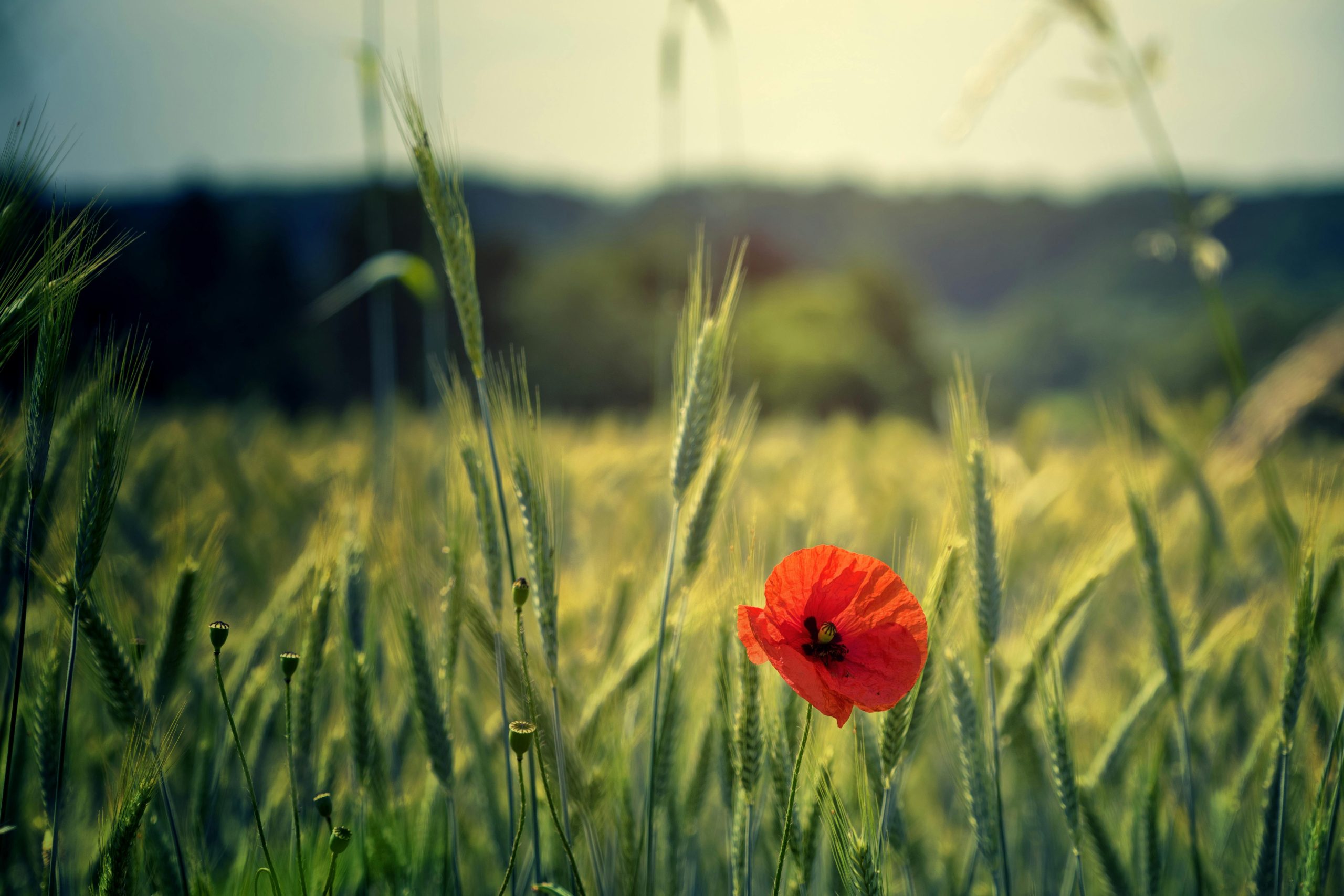
    The poem inspired an American academic named Moina Michael to adopt the poppy in memory of those who had fallen in the war. She campaigned to get it adopted as an official symbol of Remembrance. The red poppy symbolises both Remembrance and also hope for a peaceful future – which we continue to do. 

  • Financial Education Mini-Modules for our Volunteers

    Financial Education Mini-Modules for our Volunteers

    This article was published on Thu 01 Oct 2020. At the time of publishing, this article was true and accurate, however, over time this may have changed. Some links may no longer work. If you have any concerns about this please contact us

    The first round of on-line Financial Education mini-modules that we provided exclusively for our Force Authorised Officers (FAOs) and Authorised Officers (AOs), is now complete.

    We ran 16 events in total throughout August and September and these were well attended by FAOs and AOs from all over the UK.
    The event subjects were:

    • Wellbeing Services from Police Mutual
    • Effective Cash Management
    • Managing Debt and Credit Scores
    • Protection, Wills and Estate Planning

    We ran a short survey after each event and the comments were really encouraging and included:

    “Very helpful to know what services are available to signpost our members when future enquiries are received”

    “Immediately after the workshop I engaged our Wellbeing and Mental Health lead directly to tap into the resources and include in future planning”

    “Will share what Police Mutual can offer with my colleagues
    A really useful overview. “

    “The Health Assured app was new to me and again very useful Good to have an understanding of which debt to clear first “

    “Very good idea to keep us all informed and reminded of what is available to our members. A very informative 30 minutes well delivered by Faye”

    “It was great to meet you and put some faces to names. We hope to see you again soon as we will be running some of these modules again and we are also developing some new modules which should be ready soon.”

  • How Police Mutual is Supporting You During the Coronavirus Pandemic

    How Police Mutual is Supporting You During the Coronavirus Pandemic

    This article was published on Sun 24 May 2020. At the time of publishing, this article was true and accurate, however, over time this may have changed. Some links may no longer work. If you have any concerns about this please contact us

    We are naturally doing everything we can to ensure the safety and wellbeing of our colleagues and, at the same time, focusing on maintaining the service we provide to you, our Members and customers. Read more information on how we will be supporting you directly.

    Guidance for the Police family

    As frontline officers and staff, you are playing a critical role in the response to this crisis, it is therefore even more important for you to say fit and well and to look after all areas of your health during this difficult time.

    For Police specific guidance, take a look at the links below:

    Physical health

    Research shows that being sedentary is bad for your health, so ensure you keep active at home. Exercise helps both your physical and mental health, if you can go outside, go for a regular walk or do some online exercise classes.

    Think about what you’re eating and where possible eat a balanced diet. Whilst food supplies may be limited, think ahead and plan your meals.

    Limit your alcohol intake. In uncertain times like these it can be tempting to reach for a bottle to cope with the boredom and uncertainty but alcohol impacts your immunity and reduces your body’s ability to fight off disease.

    Mental health

    During this time, you may be bored, frustrated or lonely. You may also feel low, worried, anxious, or be concerned about your health or that of those close to you.

    Everyone reacts differently to events and changes in the way that we think, feel and behave vary between different people and over time. It’s important that you take care of your mind as well as your body.

    Tips to help if you’re worried about coronavirus:

    • Keep a routine
    • Maintain social contact by text, Skype or phone
    • Avoid family arguments
    • Plan ahead
    • Don’t watch too much news
    • Manage your fears

    Looking after your finances

    As the outbreak continues to take its toll on life and the economy you may be worrying about what the financial impact is for you or your family members.

    For tips on keeping your finances in check during this time, see our guide in the useful resources section.

    As always we’re here to help, visit policemutual.co.uk, call 01543 441 630

  • Dedicated FAO Website Now Live

    Dedicated FAO Website Now Live

    This article was published on Mon 11 May 2020. At the time of publishing, this article was true and accurate, however, over time this may have changed. Some links may no longer work. If you have any concerns about this please contact us

    As you know, on 30 April we announced one of the biggest decisions Police Mutual has ever made: our proposal to become part of Royal London.

    Our dedicated website for you, our FAOs, is now live and available by clicking here:
    https://faoinfo.co.uk

    It’s a ‘one-stop-shop,’ the site provides a range of information and materials about the proposed transfer – including the what; when; and why; and the importance of your role.

    The site also includes copies of the voting pack and other materials you have been sent. And, if you have a question which isn’t covered by our FAQs, you are encouraged to submit it via the site.

    You will also find details about a series of FAO webinars we are running in the next couple of weeks, the first being at 1pm on Thursday (14 May). Please visit the website to book yourself on to one of these important webinars.

    We want you to understand why we are recommending the proposal to become part of Royal London, and the reasons behind the proposal, as well as what it will mean for members.

    It’s why all of this is aimed at providing you with as full a picture as possible about the proposal. We want all of you to be able to make a fully informed decision when you cast your crucial vote on securing Police Mutual’s future.

    ,
  • Join the Nation in Raising a Glass on VE Day

    Join the Nation in Raising a Glass on VE Day

    This article was published on Thur 07 May 2020. At the time of publishing, this article was true and accurate, however, over time this may have changed. Some links may no longer work. If you have any concerns about this please contact us

    VE Day marks the day when fighting against Nazi Germany in Europe ceased and World War 2 came to an end – on 8th May 1945.

    Under normal circumstances, this would be a time when we would come together to reflect upon and celebrate the sacrifices made by so many people during the war. Not just the millions of soldiers, but the men and women who worked in the factories and mines, as well as Police Officers, nurses, and many more.

    This year is the 75th anniversary of VE Day and there were lots of special celebrations planned to take place. The government had moved the traditional May Bank Holiday so that it falls on Friday 8th May. Pubs were to be allowed to stay open later, and people across the country were encouraged to throw street parties. There was also going to be a flyover of Buckingham Palace by the Red Arrows.

    However, as a result of the COVID-19 pandemic, plans for VE Day celebrations have been postponed until a later date.

    Instead, organisers are encouraging everyone to take part in The Nation’s Toast – raising a glass on Friday 8th May at 3pm and making the following toast: To those who gave so much, we thank you.

    We will certainly be taking part, paying tribute to the millions both home and abroad who gave so much to ensure the freedom we all enjoy today.

  • Remembrance Day 2019

    Remembrance Day 2019

    This article was published on Tue 05 Nov 2019. At the time of publishing, this article was true and accurate, however, over time this may have changed. Some links may no longer work. If you have any concerns about this please contact us

    The Royal British Legion has been supporting Service men and women, ex-serving personnel and their families since 1921 and brought together four national organisations that had established themselves after the First World War.  These were:

    • The National Association of Discharged Sailors and Soldiers
    • The British National Federation of Discharged and Demobilized Sailors and Soldiers
    • The Comrades of The Great War
    • The Officers’ Association

    The red poppy symbolises both Remembrance and also hope for a peaceful future. People wear poppies to show support of the Armed Forces community.

    Wearing a poppy is not compulsory and is a very personal choice and reflects your own experience and personal memories.

    What is the inspiration and history behind the poppy becoming a symbol of Remembrance?

    During the WW1, the countryside in Western Europe was bombed considerably and stunning landscapes were turned into bleak, muddy and barren fields where very little flora or fauna could grow. 

    However there was an exception to this, the bright red Flanders poppies. The poppies were so resilient they flourished and grew in vast amounts.

    In the Spring of 1915, Lieutenant Colonel John McCrae was so moved by seeing the poppies that he wrote the now famous poem ‘In Flanders Fields’.

    In Flanders Fields
    The poem by John McCrae

    In Flanders’ fields the poppies blow
    Between the crosses, row on row,
    That mark our place: and in the sky
    The larks, still bravely singing, fly
    Scarce heard amid the guns below.

    We are the dead. Short days ago
    We lived, felt dawn, saw sunset glow,
    Loved and were loved, and now we lie
    In Flanders’ fields.

    Take up our quarrel with the foe;
    To you from failing hands we throw
    The torch; be yours to hold it high,
    If ye break faith with us who die
    We shall not sleep, though poppies grow
    In Flanders’ Fields.

  • How to Protect Yourself Against Cyber Attacks

    How to Protect Yourself Against Cyber Attacks

    This article was published on Thur 24 Oct 2019. At the time of publishing, this article was true and accurate, however, over time this may have changed. Some links may no longer work. If you have any concerns about this please contact us

    October is National Cyber Security Awareness Month and we’re doing our bit to raise awareness about cybercrime and how it can affect your daily life – whilst bringing you top tips on how to stay safe online.

    We’re more connected to technology than ever before. From shopping and online banking, to email and social media, our personal information is increasingly digitalised. And as a consequence, the threat of cyberattacks continues to expand and evolve.

    That’s why it’s vitally important to stay secure and safe online.

    What is cybercrime?

    Cybercrime is any criminal activity that involves a computer or network.

    Examples include, fraud, bullying, theft or grooming that are committed online using a device, such as smartphones, tablets or other devices.

    Cybercrime also includes crimes against your computer or device, such as contaminating or corrupting it with viruses or taking-over your social media profile, email account or your website.

    What is cyber security?

    Cyber security is the measures you can take to protect the devices you use, and services you access online from cybercrime. Cyber security is also a way of preventing unauthorised access to your personal information that you store on a device or online.

    Now that smartphones, computers and the internet are such a fundamental part of everyday life, cyber security is essential for everyone, not just businesses, to go about their day-to-day lives.

    What can I do to protect myself?

    There are a number of steps you can take to stay safe and secure online. From updating your privacy settings, to getting the latest software, here are some tips and resources to help you protect your devices and data.

    OWN IT

    Stay safe on social media by limiting what you share, changing your passwords and checking your security settings.

    You should also update your privacy settings regularly, whether this is on shopping websites, your email or music services you use.

    Make sure your personal information is safe on the apps you download, too. With so many apps available, data like your name, email address or home address may be being used without realising it.

    SECURE IT

    By creating strong passwords or turning on multifactor authentication (double log-in), you’re building stronger layers of protection against your personal information and keeping your devices well-protected.

    PROTECT IT

    It’s also important that you are using the latest security software and apply updates when possible. This will help to ensure cybercriminals are kept out – and stay out!

    Helpful resources:

    us.norton.com/internetsecurity-privacy-cyber-safety-guide-tips-to-own-it-secure-it-protect-it.html

    takefive-stopfraud.org.uk/

    ncsc.gov.uk/section/information-for/individuals-families

    stopthinkconnect.org/tips-advice/general-tips-and-advice

    getsafeonline.org/